Can the sea hold more CO2?
The ocean has quietly taken in 29% of the CO2 we emit. Since 2016 it has stopped taking more.
In August 2025, scientists on a research ship 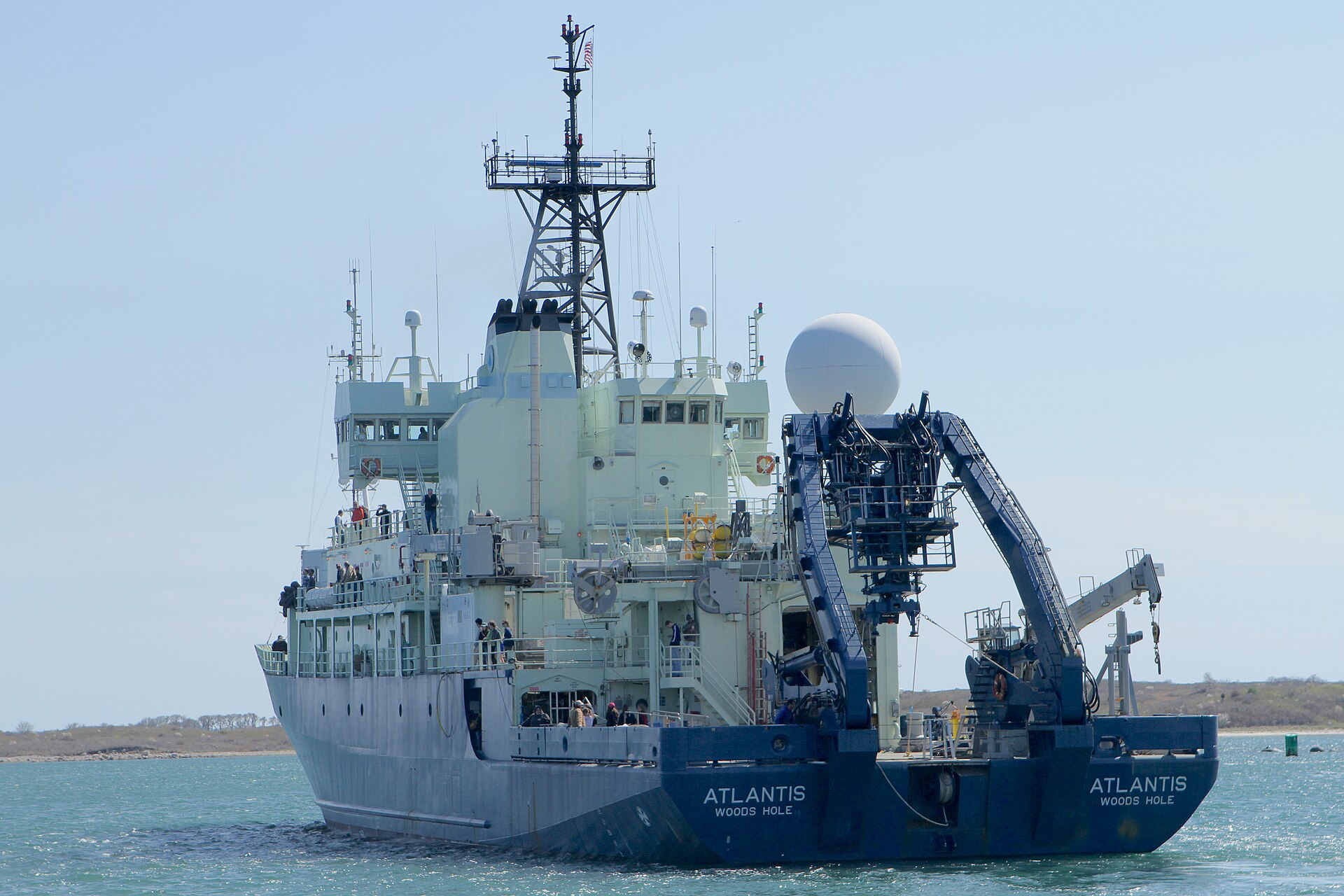 released alkalinity and pink dye into the Gulf of Maine
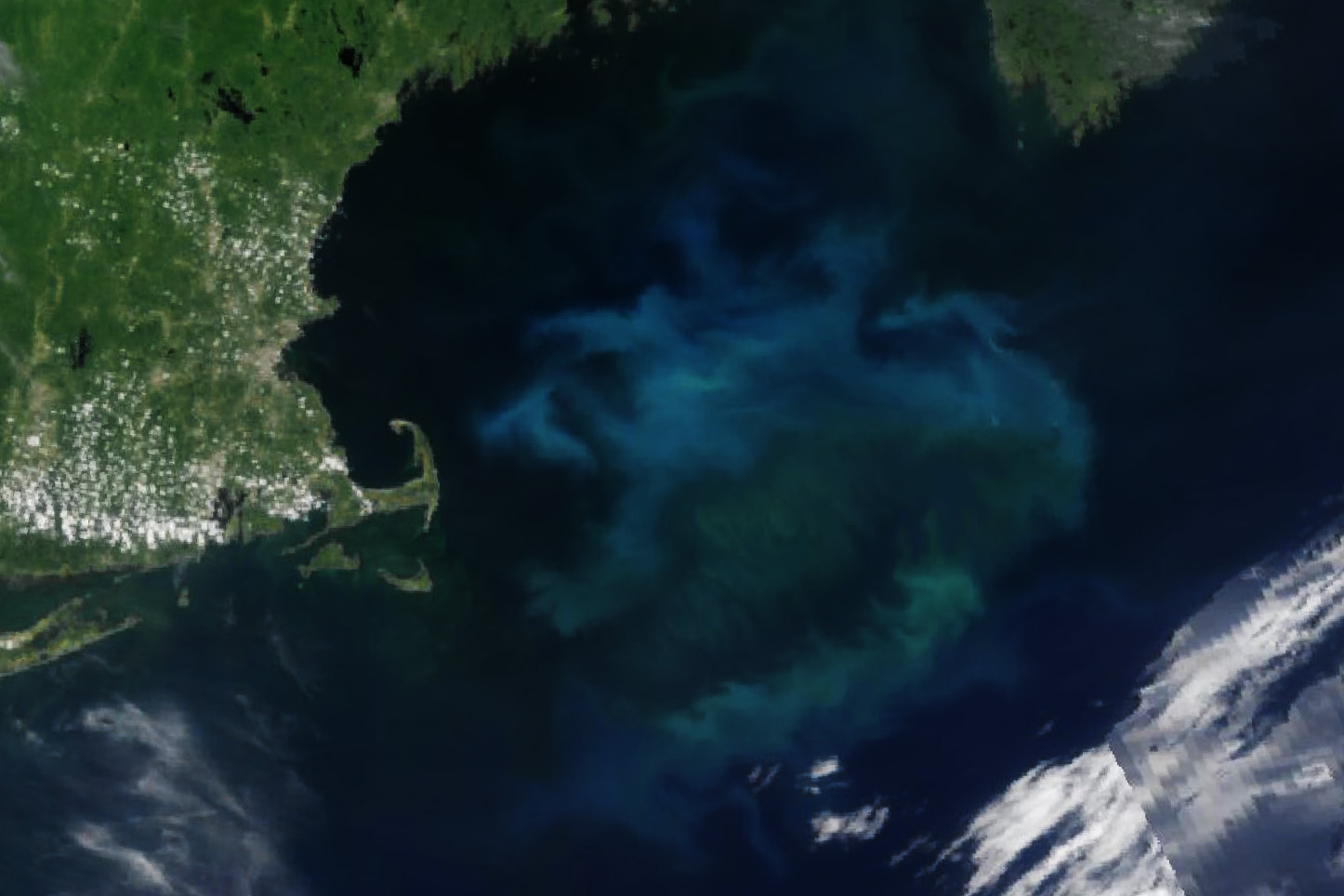 and tracked the patch for five days with gliders
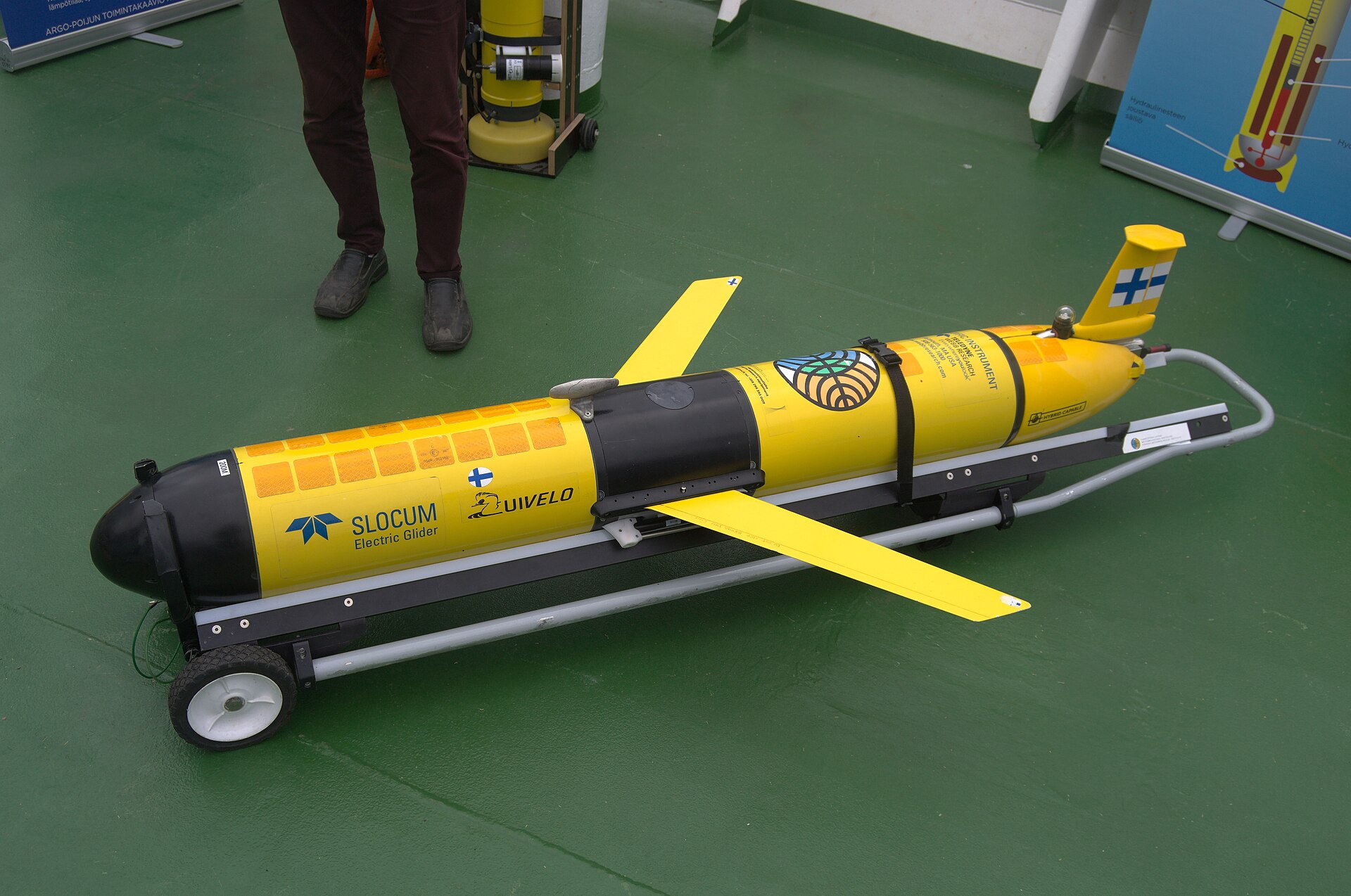 . Early results found no harm to plankton or larvae.3
The largest sink has stalled
The ocean is the biggest carbon sink we have, and nobody asked it to be. Ocean alkalinity enhancement, or OAE, asks one practical question: can we safely raise what the sea is able to hold? In theory the answer could reach billions of tonnes a year.13
29percent of the CO2 people emitted over the past decade was taken up by the ocean1
3.4billion tonnes of carbon absorbed in 2024, a figure that has been flat since 20161
30percent rise in surface acidity since the industrial era, the price the sea pays for that uptake9
10,000years or more that carbon can stay dissolved as bicarbonate, if the added alkalinity persists24
Add
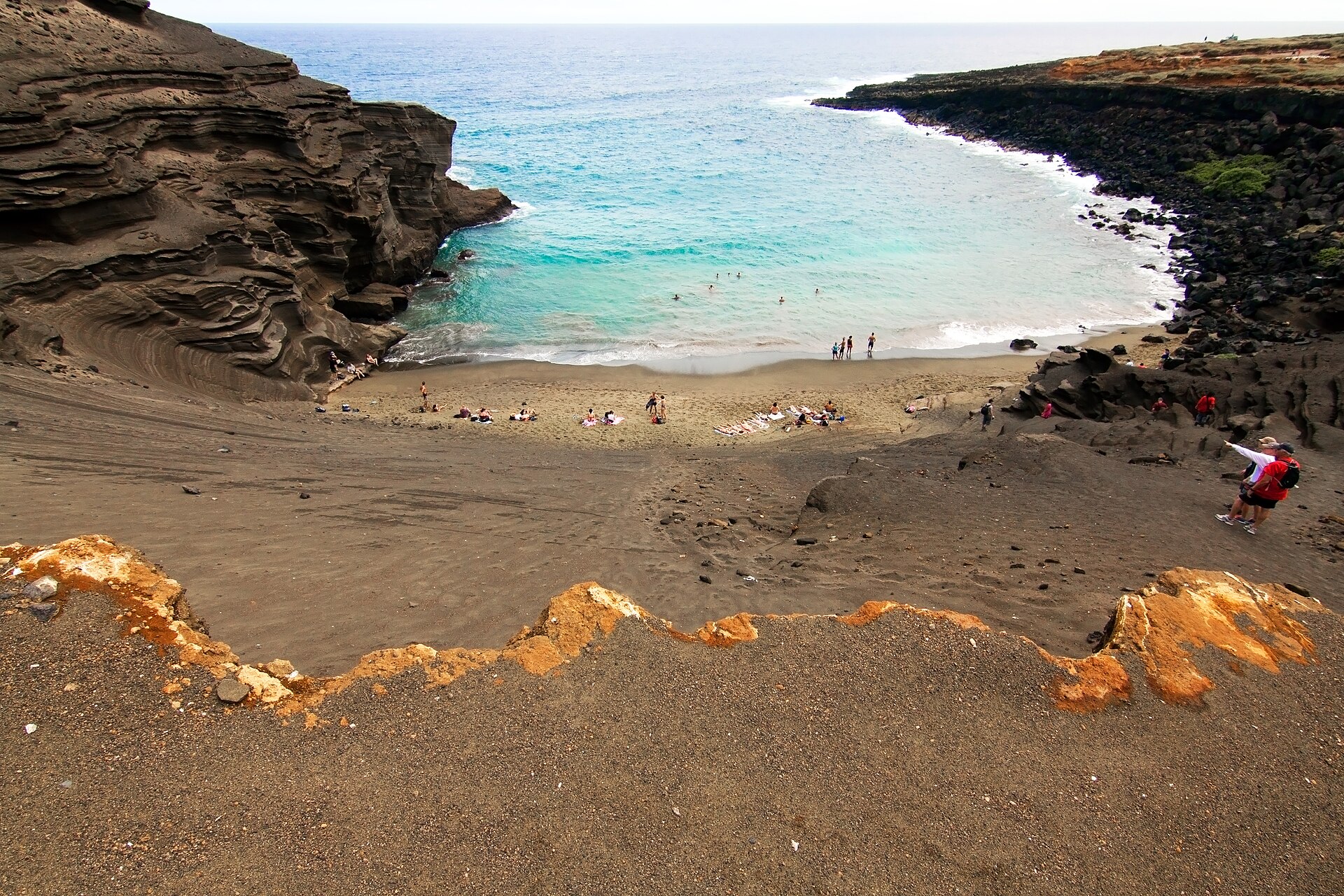
Add alkalinity to surface water. It can come from ground minerals such as olivine, or from a hydroxide solution made with electricity.
Pictured: natural olivine sand at Papakōlea, Hawaiʻi, weathering into the sea.
Draw
The treated water holds its carbon as bicarbonate, so over weeks to months the surface draws more CO2 down from the air above it.
Pictured: the Gulf of Maine from space, June 2025, two months before the trial there. NASA.
Measure
Ships, gliders, drifters and satellites track where the alkalinity goes and how much carbon follows. This is the hard part, and the part that needs funding.
Pictured: R/V Atlantis of Woods Hole Oceanographic Institution, 2016.
Two ways to add alkalinity
CO2 + H2O ⇌ H+ + HCO3−
Alkalinity removes the hydrogen ions shown in pink. The balance shifts to the right, and the same water can hold more carbon as stable bicarbonate.2
Mineral
- How
- Grind alkaline rock such as olivine, basalt or limestone and spread it in coastal or open water.
- Strength
- It speeds up the natural weathering that has regulated ocean chemistry for millions of years.
- Open questions
- Slow dissolution, trace metals such as nickel and chromium, particles that affect filter feeders, and the footprint of mining.6
Electrochemical
- How
- Split seawater or brine into an alkaline stream that returns to the sea and an acid stream handled on land.
- Strength
- No mining, already dissolved, and dosed precisely. The Gulf of Maine trial used purified sodium hydroxide.3
- Open questions
- Energy demand that only makes sense with clean power, and safe use or disposal of the acid.
Field trials, done in the open
In the Gulf of Maine trial, the team checked bacteria, phytoplankton, dying cells, photosynthetic health, chlorophyll, zooplankton, fish larvae and lobster larvae. None showed a significant difference. Fish, whales and fisheries were not measured.3
A lab result falls short
Olivine dissolved in artificial seawater removes about five times less carbon than theory predicts, a study from the GEOMAR research centre finds.20
A shared rulebook for research
An international team publishes a guide to best practice in OAE research, from lab tests to field monitoring.5
First trials in Canadian waters
Dalhousie University and Planetary Technologies test alkalinity addition at Halifax, supported by the Carbon to Sea Initiative.12
Groundwork in Iceland
A tracer study and a year of independent baseline measurements prepare a research site in Hvalfjörður.12
A permit after public review
The US Environmental Protection Agency approves the trial after two comment periods totaling 75 days and more than 250 public comments.3
Six hours in Wilkinson Basin
The LOC-NESS team of Woods Hole Oceanographic Institution releases purified sodium hydroxide and rhodamine dye, then tracks the patch with autonomous vehicles, gliders, drifters and satellites. The trial is paid for by the Carbon to Sea Initiative and ICONIQ Ocean Co-Lab, with monitoring support from NOAA.315
Treaty parties tighten oversight
London Protocol parties advance criteria for assessing OAE research proposals under a precautionary approach.8
Preliminary results, with caveats
Shared at the Ocean Sciences Meeting in Glasgow. A peer reviewed paper is still to come.3
COP31 opens in Antalya
Türkiye hosts and Australia leads the negotiations.11
Who pays for the research
Most of the evidence so far is paid for by private donors and by companies that plan to buy the credits. That is why the ask is for public money and independent review.
- Philanthropy
- The Carbon to Sea Initiative launched in 2023 with $50 million from a group of foundations and is the largest funder of OAE research. It also campaigns for public funding and clearer permitting, so it is a funder and an advocate at once.1621
- Credit buyers
- In 2025 buyers including Stripe, Google and Shopify agreed to pay $31.3 million for 115,211 tons of removal from one OAE company between 2026 and 2030.17
The risks, stated plainly
Verification
Proving that a specific tonne was removed, and telling it apart from the sea’s natural swings, is the biggest unsolved problem in OAE.510
The research group CarbonPlan puts confidence in verifying the electrochemical route at 3 out of 5.18
Ecology
Local pH spikes, trace metals from minerals, particles and shifts in plankton. Lab effects depend on dose and exposure time.6
Governance
Water crosses borders. The London Protocol’s geoengineering amendment covers only ocean fertilization and is not yet in force.7
Equity
Who benefits, who carries the risk and who decides. Coastal and Indigenous communities need a real say inreal power over trials near them.6
Moral hazard
Less pressure to cut emissions. Visible investment in removal could weaken the case for cutting them. Any framework has to face that directly.2
Five asks for your delegationFive decisions for COP31
Public money for independent OAE research, clear rules for trials, and the guardrails written first.A dedicated OAE research workstream, funded before anyone scales up, with the guardrails written first.
- Fund independent verification research. Public funding for open, independently reviewed methods of monitoring, reporting and verification, building on the data standards researchers already share.514An open, global standard for monitoring, reporting and verification, publicly funded and independently reviewed, in place before any credit counts toward a climate target.5
- Set ecological guardrails. Agreed thresholds for pH, trace metals and biodiversity, with independent monitoring of every trial.614Thresholds for pH, trace metals and biodiversity that pause a trial automatically, with independent oversight.6
- Clarify permitting. Clear national pathways for permitting research trials, consistent with international ocean law.78Clarify governance. Jurisdiction, liability and consent for ocean trials under UNCLOS and the London Protocol.78
- Involve communities from the start. Coastal and Indigenous communities and rights holders help set research goals and review the results.6Share decisions and benefits. Coastal and Indigenous communities hold real decision power over where and how trials run.6
- Keep emission cuts first. State plainly that OAE adds to rapid decarbonization and can never replace it.2
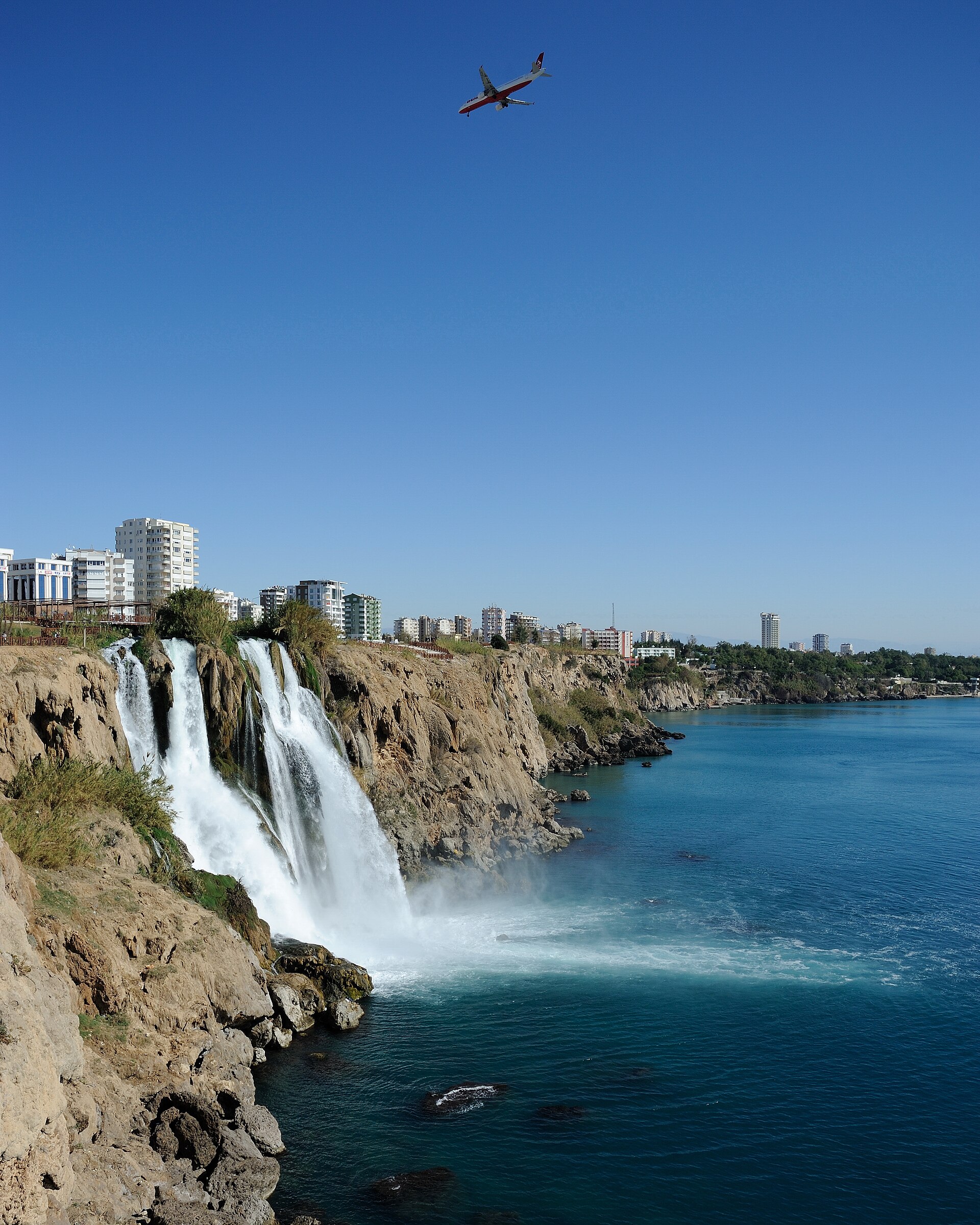
Pictured: the Lower Düden Falls, where a river meets the sea at Antalya, host city of COP31.
A letter to your delegation
Add your details and the letter fills itself in. Choose your country to see where to send it.
Your country’s climate focal point will appear here.
Send it to
The UN directory lists no email for this country. Look it up in the directory.
Contacts as listed by the UN climate secretariat on 11 November 2026. They change, so confirm in the directory before sending.
This page stores nothing and sends nothing. You paste the letter into your own email.
To our delegation at COP31,
Over the past decade the ocean has taken up about 29% of the carbon dioxide people emitted. Since 2016 that uptake has stopped growing. We are leaning on a sink that is no longer keeping pace.
Ocean alkalinity enhancement (OAE) may let the sea safely absorb more, and hold the carbon as dissolved bicarbonate for 10,000 years or more. The evidence is early. In 2025 the first field trial permitted by the US Environmental Protection Agency released alkalinity in the Gulf of Maine. Preliminary results found no measurable impact on plankton, fish larvae or lobster larvae. The same team says effects on fisheries are still uncertain, and that proving how much carbon was removed needs more work.
That is why public research has to come first. I ask you to:
1. Back public funding for independent, openly published research on monitoring, reporting and verification.
2. Support agreed ecological thresholds and independent monitoring for every trial.
3. Clarify how research trials are permitted, at home and under international ocean law.
4. Involve coastal and Indigenous communities and rights holders from the start.
5. State plainly that OAE adds to emission cuts and never replaces them.
None of this commits anyone to deployment. It commits us to finding out, in the open.
That is why public research has to come before commercial scale. I ask you to support a COP31 outcome that:
1. Funds openly published research on monitoring, reporting and verification, reviewed by people who neither fund nor sell OAE.
2. Sets ecological thresholds that pause a trial automatically.
3. Clarifies jurisdiction, liability and consent under UNCLOS and the London Protocol.
4. Gives coastal and Indigenous communities real decision power over trials near them.
5. States plainly that OAE adds to emission cuts and never replaces them.
None of this commits anyone to deployment. It commits us to finding out, in the open, before the market decides for us.
Sincerely,
[Your name]
[Your role and organisation]
Questions delegates ask
Is this geoengineering?
It is marine carbon dioxide removal that deliberately changes seawater chemistry, so treaty bodies treat it as marine geoengineering. London Protocol parties list it among four techniques for priority evaluation.7
Is this funded by oil companies?
Not that we can find. The named funders of the largest research programme are foundations, and the announced credit buyers are technology and consumer companies. The greenwashing risk lies elsewhere: credits sold before removal can be verified, or bought as a substitute for cutting emissions.1617
Is it ready to deploy?
No. Project Drawdown lists OAE under Keep Watching, not among the solutions ready to use. Lab studies have found some minerals raise alkalinity less than expected, and the field trials so far are small.1920
Why COP31?
COP31 runs from 9 to 20 November 2026 in Antalya. It is where delegations compare notes on research funding and rules. Companies already sell OAE removal credits while verification standards are still being written.11COP31 runs from 9 to 20 November 2026 in Antalya, with Australia leading the negotiations. Companies already sell OAE removal credits, so publicly funded research needs to set the standards before the market does.11
Is it legal to run field trials?
National permits apply. The Gulf of Maine trial needed an EPA permit and 75 days of public comment. Internationally, the London Protocol amendment formally covers only ocean fertilization and is not yet in force. In 2025 the parties advanced criteria for assessing OAE research.38
Will it harm marine life?
Lab studies show effects that depend on concentration and exposure time. The Gulf of Maine trial found no significant differences in plankton or larvae, but it did not measure fish, mammals or fisheries. Mineral routes add the risk of trace metals. That is why the ask includes guardrails.36
How would anyone know a tonne was removed?
Teams measure the alkalinity they add, track pH and CO2 pressure in the treated water, and use ocean models to estimate how much CO2 crosses the surface over the following months. Natural variability is large, so this is where public research money is most needed.510
Does this let polluters off the hook?
It could if it is framed badly. The fifth ask makes OAE explicitly additional to emission cuts, and credible verification has to come before any credit is issued.2The fifth decision makes OAE explicitly additional to emission cuts, and research funding should stay separate from offset claims until verification is solved.2
What would the funding pay for?
Open verification methods and shared data, independently monitored field trials, long term ecological studies, and governance pilots led by coastal communities.5
Sources
- Friedlingstein et al., Global Carbon Budget 2025, Earth System Science Data, 2026.
- National Academies, A Research Strategy for Ocean based Carbon Dioxide Removal and Sequestration, 2022.
- Woods Hole Oceanographic Institution, Preliminary results from the first EPA permitted OAE field trial, 25 February 2026.
- Hartmann et al., Stability of alkalinity in ocean alkalinity enhancement approaches, Biogeosciences, 2023.
- Oschlies et al., Guide to Best Practices in Ocean Alkalinity Enhancement Research, State of the Planet, 2023.
- UK Environment Agency, Ocean alkalinity enhancement: evidence on potential environmental impacts and social implications, 2025.
- International Maritime Organization, Marine geoengineering.
- Center for International Environmental Law, Global treaty advances precautionary regime on marine geoengineering, 2025.
- NOAA, Ocean acidification.
- High frequency in situ total alkalinity measurement for monitoring OAE field trials, Communications Engineering, 2026.
- Clayton Utz, COP31 in Antalya: Australia takes the gavel, November 2026.
- Carbon to Sea Initiative, Field research. Halifax and Hvalfjörður sites.
- Carbon to Sea Initiative, Why OAE. Theoretical scale.
- Carbon to Sea Initiative, OAE Environmental Impact Monitoring Framework 1.0.0 and OAE Data Protocol 1.0.0.
- Woods Hole Oceanographic Institution, Ocean alkalinity enhancement project looks at pulling carbon dioxide from the atmosphere, 2023. Project funders.
- MIT Technology Review, Meta’s former CTO has a new $50 million project: ocean based carbon removal, June 2023.
- Frontier, Frontier buyers sign $31M deal with Planetary to advance ocean alkalinity enhancement, 2025.
- CarbonPlan, CDR Verification Framework: ocean alkalinity enhancement, electrochemical.
- Project Drawdown, Deploy ocean alkalinity enhancement, 2025.
- MIT Technology Review, Why using the oceans to suck up CO2 might not be as easy as hoped, 2022. Reports a GEOMAR study in Frontiers in Climate.
- Carbon to Sea Initiative, Policy. Its policy priorities and its count of US federal funding.
Carbon to Sea funds and advocates for OAE research. It is cited here only for facts about its own programmes and tools. Pictures, all via Wikimedia Commons: Gulf of Maine bloom, NASA Earth Observatory, Wanmei Liang, public domain. R/V Atlantis, NASA, Michael Starobin, public domain. Slocum glider, Antti Leppänen, CC BY 4.0. Papakōlea beach, Pushkr, CC BY 2.0. Lower Düden Falls, Saffron Blaze, CC BY 3.0. The hero animation is an illustration and is not to scale.